
Skills You Need to Become a GEO Specialist: Beginner’s Guide
A complete beginner’s guide to core GEO skills—discover practical steps, essential tactics, and entry-level strategies for optimizing content for AI search engines like ChatGPT, Google AI Overviews, and Perplexity. Start your GEO career with confidence.
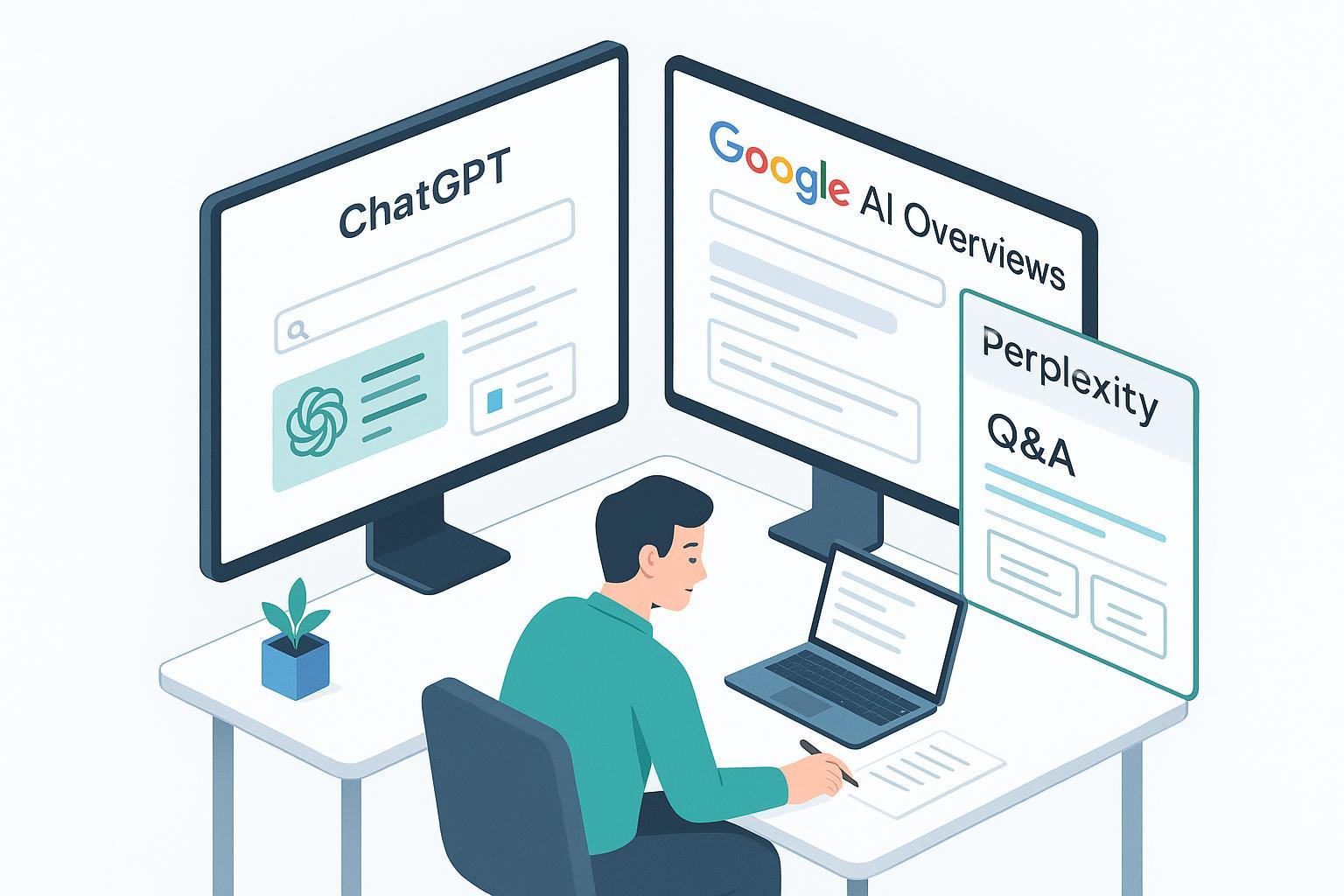
If you’re good at SEO and wondering how to earn visibility inside AI-generated answers, you’re in the right place. This beginner’s guide translates the buzz around Generative Engine Optimization (GEO) into practical skills you can start using this week.
GEO, defined (and how it differs from SEO and AEO)
GEO—Generative Engine Optimization—is the practice of making your content easy for AI answer engines to understand, quote, and cite accurately. Think ChatGPT, Google’s AI Overviews, and Perplexity. According to the overview from Search Engine Land, GEO is about optimizing content for inclusion in AI-generated responses, not just traditional SERPs, and it complements—not replaces—SEO (What is generative engine optimization (GEO)?, 2024).
How is this different from what you already know? SEO aims to rank pages in result lists, AEO (Answer Engine Optimization) focuses on direct answers/snippets, and GEO targets LLM-driven platforms that synthesize answers and often show citations. For a deeper comparison of tactics, this side-by-side is handy: Traditional SEO vs GEO: 2025 marketer’s comparison.
How AI answer engines pick and cite sources
Here’s the deal: AI answer engines reward clear, credible, current content. While the precise algorithms are opaque, reputable sources align on a few stable patterns:
- Relevance to the question intent (not just keywords)
- Authority and evidence (expert authors, reputable citations)
- Freshness and consistency across your site
- Clear structure that’s easy to parse
Google notes that AI responses feature prominent links and visible attribution, emphasizing relevance to the summary rather than rank-ordered listings (see AI in Search: driving more queries and higher-quality clicks, 2025). For beginners, a useful mental shift is this: keywords matter, but questions rule. Structure pages around the questions people actually ask and back up claims with credible sources. For practical page patterns and answer-first formatting, WebsiteBuilderExpert’s guide to AI Generative Engine Optimization (2025) is a helpful reference.
The five core GEO skill groups (and how to practice each one)
As a GEO specialist, you’ll blend strategy, content, technical enablement, trust building, and measurement. Think of it like tuning the “inputs” AI engines prefer.
1) Strategy and research
Your goal: identify the entities, questions, and jobs-to-be-done your audience cares about—and the prompts people actually use on AI platforms. Start a simple prompt inventory for ChatGPT, Perplexity, and Google AI Overviews. Group prompts by intent (how-to, comparison, definition, troubleshooting). Prioritize questions where accurate representation is business-critical.
Starter move: run the top 10 questions your buyers ask through each platform, note whether your brand appears, how it’s described, and which sources are cited.
2) Content development
Lead with direct answers. Then expand with context, criteria, and examples. Use question-led H2/H3s and add citations to authoritative sources. WebsiteBuilderExpert provides a beginner-friendly playbook for answer-first structure and question-led formatting in its guide to AI Generative Engine Optimization (2025).
Starter move: for a high-value page, add a 40–60 word answer block under the H1 that cleanly answers the core question. Follow with a decision checklist and a short example.
3) Technical enablement
Make your content machine-readable. Implement JSON-LD schema (Organization, Person/Author, Article or BlogPosting, FAQPage, HowTo) and ensure it aligns with visible content. Use internal links to connect related explainers, keep canonical URLs clean, and avoid orphan pages. DevPro Journal highlights how structured data and trust signals can help AI systems parse and represent your content accurately (Generative Engine Optimization: What ISVs need to know, 2025).
Starter move: publish author pages and add Article + Person + Organization schema to your top 10 evergreen posts.
Code example (simplified JSON-LD you can adapt):
{
    "@context": "https://schema.org",
    "@type": "BlogPosting",
    "@id": "https://example.com/geo-skills#post",
    "mainEntityOfPage": "https://example.com/geo-skills",
    "headline": "Skills You Need to Become a GEO Specialist",
    "datePublished": "2025-12-07",
    "dateModified": "2025-12-07",
    "author": {
      "@type": "Person",
      "name": "Your Name",
      "url": "https://example.com/authors/your-name"
    },
    "publisher": {
      "@type": "Organization",
      "name": "Your Brand",
      "logo": {
        "@type": "ImageObject",
        "url": "https://example.com/logo.png"
      }
    }
  }
4) Authority and trust signals
Show real expertise. Include author bylines with bios and relevant credentials. Link out to primary, reputable sources when you make claims. Maintain an “updated on” note and keep critical facts current. These visible E‑E‑A‑T signals help AI systems—and readers—assess credibility.
Starter move: add a short “Why you can trust this guide” box with author creds and a plain-English change log.
5) Measurement and iteration
You can’t improve what you don’t measure. Track which prompts on which platforms include you, how often your pages are cited, and the sentiment of those answers. Benchmark monthly for your priority prompts and quarterly for your broader topic clusters. For platform-specific monitoring, see: Google AI Overview tracking tools and GEO workflows.
Starter move: maintain a simple sheet with columns for Prompt, Platform, Cited? (Y/N), Which URL, Sentiment (−/0/+), and Notes. For a broader lens on measuring AI answer quality, you can also read LLMO metrics: measure accuracy, relevance, personalization.
Quick reference: skills to actions
| Skill group | What you actually do | Starter task |
|---|---|---|
| Strategy & research | Map entities, questions, and prompt variants by intent | Log the top 10 buyer questions across ChatGPT, Perplexity, AIO |
| Content development | Write answer-first sections; add supporting evidence and examples | Add a 50-word answer block + 1 example to one key page |
| Technical enablement | Implement JSON-LD; improve internal links and canonicals | Add Article + Person + Org schema to 10 evergreen posts |
| Authority & trust | Show author creds, sources, and update history | Publish author bios; add change logs to key guides |
| Measurement & iteration | Track citations, sentiment, and share of voice | Build a monthly prompt-by-platform tracking sheet |
Micro-workflow: monitor AI citations and sentiment to guide updates
Disclosure: Geneo is our product.
- Objective: See whether AI answers mention and cite your brand correctly—and decide what to fix next.
- Workflow: You can use a monitoring platform like Geneo to track which prompts on ChatGPT, Perplexity, and Google AI Overviews mention your brand, how often those answers cite your pages, and the sentiment of those mentions. Then compare this with your priority question list.
- Action: If a high-value prompt shows a negative or incorrect mention, update the relevant page with a clearer answer block, fresh citations, and tighter schema. Re-check in two weeks to confirm changes propagate.
Does AI see your brand the way you intend? This workflow helps you answer that with evidence, not guesses.
Your 30–90 day learning path
- Days 0–30 (Beginner): Learn the GEO basics; add answer-first sections to 3–5 pages; implement Organization, Person, and Article schema; create your prompt inventory; start a simple monthly tracking sheet.
- Days 31–60 (Intermediate): Expand schema to FAQPage/HowTo where appropriate; publish author pages; build 1–2 internal topic clusters; refresh any page with outdated facts.
- Days 61–90 (Advancing): Add consistent @id values and a single @graph approach (if you’re comfortable) to interlink entities; schedule quarterly benchmarking; experiment with formats AI answers often cite (concise explainer sections, mini-comparisons, annotated definitions).
Think of it this way: you’re building a small “library” of clear, well-sourced answers that AI systems can find, understand, and trust.
Common beginner mistakes (and quick fixes)
- Optimizing only for keywords rather than questions → Rewrite with question-led H2/H3s and a crisp answer block up top.
- Missing author and organization signals → Add bylines, bios, and Organization schema that mirrors visible info.
- Thin, outdated facts → Refresh with current data and cite reputable, primary sources.
- Messy site structure → Fix canonicals; add internal links to connect related explainers; avoid orphan pages.
- No monitoring loop → Track prompts, platforms, citations, and sentiment monthly; prioritize fixes by business value.
Wrapping up
GEO is approachable when you split it into five skills: strategy, content, technical enablement, trust, and measurement. Start small—one page, one prompt list, one tracking sheet—and iterate.
If you prefer a unified dashboard for AI answer visibility, you can explore Geneo.