
Best Practices for Brand Voice & GEO Optimization in 2025
Authoritative best practices for aligning brand voice with GEO strategies in multi-region campaigns. Ensure consistency and boost AI search visibility.
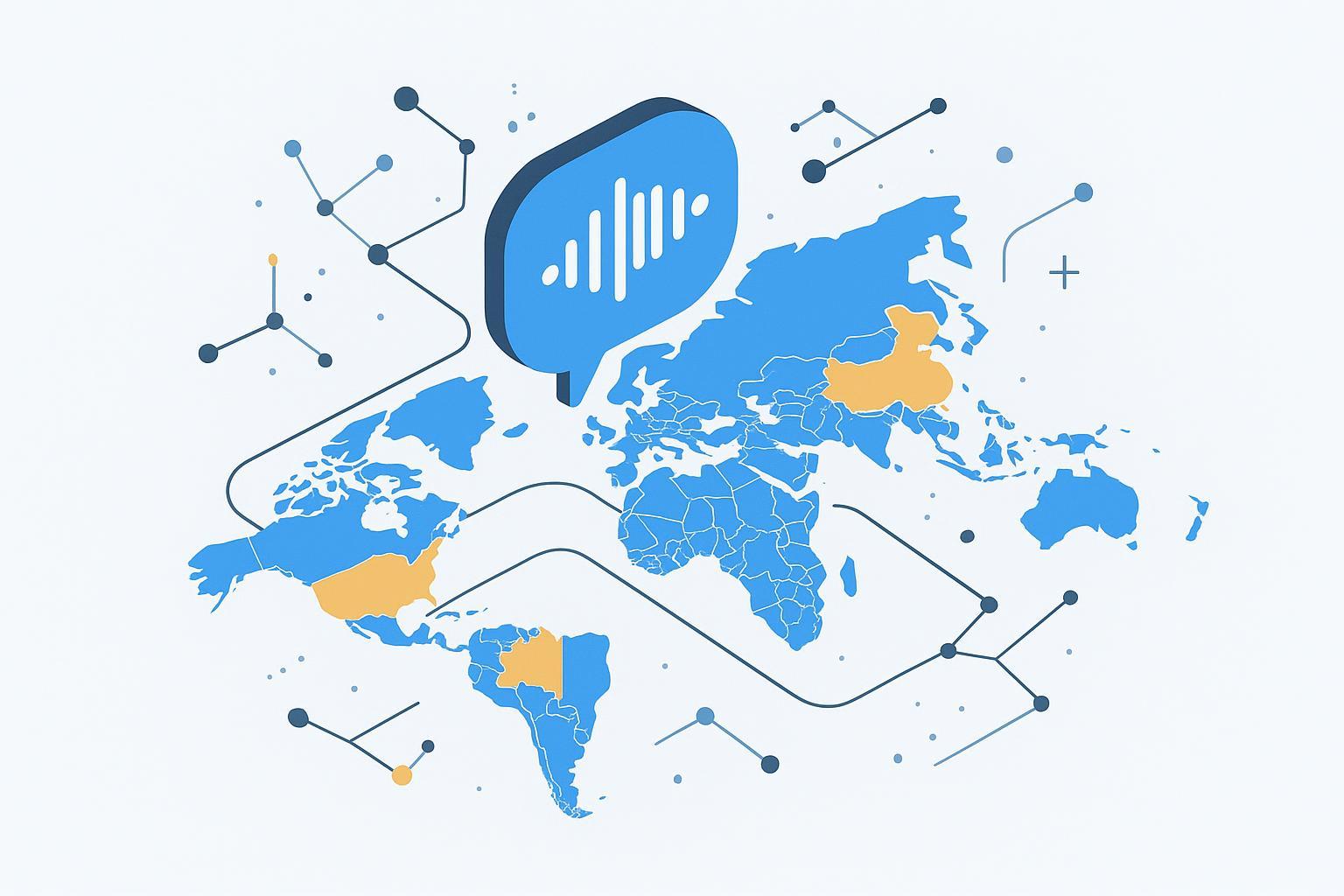
Setting Up Geneo to Align Brand Voice with GEO Optimization Tactics for Multi-Region Campaigns
Brand voice consistency is the north star for multi‑region GEO. When your tone, terminology, and factual stance stay coherent across locales, AI engines and search systems read you as a reliable entity—and your teams publish faster with fewer rewrites. This article offers a best‑practice strategy to align brand voice with GEO (Generative Engine Optimization) for multi‑region campaigns, with American English as the core reference. The single success metric we optimize for: a measurable, cross‑locale brand voice consistency score.
The Three‑Layer GEO Brand Voice Matrix
Think of your global brand voice like a soundboard:
Layer 1: Global Voice — The master tone, narrative pillars, terminology, and do/don’t rules. It’s your immutable core.
Layer 2: Local Overlay — Locale‑specific adaptations (idioms, examples, regulatory notes) that preserve meaning and tone while fitting en‑US vs. en‑CA nuances.
Layer 3: Technical Alignment — The structures machines rely on: entity clarity, authorship and citations, structured data, language tags, and accessibility. This is where GEO meets SEO/AEO.
Why this matrix? Because AI experiences like Google’s AI Overviews don’t require special schema. Google says there is “nothing special for creators to do” beyond Search Essentials; focus on helpful, reliable content and solid technical foundations, per Google’s AI features guidance (2025). Your matrix ensures unified voice while reinforcing machine understanding.
Governance and Standards: Make Consistency Measurable
Establish a cross‑functional Brand Voice Council (global owners + regional stewards). Put standards where work happens: in your DAM/CMS, with role‑based access, versioning, and audit trails. Then instrument consistency through recognized quality frameworks:
MQM (Multidimensional Quality Metrics) for style, terminology, locale, fluency, accuracy; with minor/major/critical severity levels. See community resources like WMT error span annotation.
TAUS DQF (Dynamic Quality Framework) for operational dashboards, vendor scorecards, and continuous improvement gates; see TAUS Quality Dashboard.
Track KPIs that speak to voice consistency across regions: first‑pass yield, revision rate, time‑to‑publish by locale, and a normalized Voice Consistency Index.
Technical Alignment for AI Search (GEO + AEO + SEO)
AI engines reward clarity and authority. So design content that’s easy for machines to parse and for humans to trust.
Entity clarity and authorship: Use transparent authorship, org details, and citations. Build pillar + cluster coverage and on‑page summaries that reduce ambiguity. Google reiterates success comes from helpful, people‑first content in its 2025 guidance to creators.
Structured data: Keep Organization/Product markup accurate across locales; leverage Product variant support (ProductGroup, hasVariant) when relevant, per Google’s product variants update (2024). AI Overviews don’t need special schema, but structured data still boosts machine understanding, as documented in AI features guidance.
Conversational design: Include clear FAQs within articles, consistent terminology, and concise answers that map to how generative systems summarize. Perplexity emphasizes authoritative sources and citations in its help center—make your pages citable.
Language tags and i18n hygiene: Apply BCP47 tags (en‑US, en‑CA) and locale‑sensitive formatting; see W3C’s resources hub Internationalization.
Localization and QA Workflow: From Templates to Quality Gates
Operationalize consistency with a TMS‑to‑CMS pipeline. Enforce glossaries, terminology bases, and style guides. Automate QA checks mapped to MQM/DQF categories, with risk‑based gates (e.g., higher thresholds for legal copy).
Continuous localization keeps teams shipping on a cadence (weekly sprints) while maintaining standards.
Accessibility and readability: Enforce locale‑specific accessibility and reading‑level norms; this reduces jarring tone shifts and improves trust.
Governed exceptions: When the local team needs a tone deviation (e.g., humor in a region where it resonates), log it as an exception with rationale. Controlled flexibility beats ad‑hoc rewrites.
Monitoring and Feedback Loops: Where Geneo Fits
You need an “always‑on” view of how AI engines present your brand by topic and region. Monitor:
Brand mentions and share of voice by engine
Link citations to your pages and authoritative references
Sentiment and tone alignment in generated answers
Run monthly triage sprints: identify priority topics with voice drift, update source content/markup, and re‑measure. As one practical option, Geneo provides multi‑platform AI monitoring, competitive benchmarking, and visibility metrics such as Brand Visibility Score, mentions, and reference counts. For methodology on AI citations and GEO, see Geneo’s guide Optimize content for AI citations and generative search visibility and its executive perspective AEO Best Practices 2025. For sentiment considerations in AI answers, see Best Practices for Measuring Sentiment in AI Answers (2025).
Measurement and Reporting: The Voice Consistency Index
Define one north‑star metric: Voice Consistency Index (VCI)—a composite score normalized across locales.
Components: MQM‑style Style/Terminology/Locale adherence; DQF operational gates (first‑pass yield, revision rate, time‑to‑publish); and AI‑presentation alignment (sentiment, citation quality).
Sampling: Monthly, stratified by region/language and content type (web, help, blog, product). Use blind review samples to reduce bias.
Component | Measure | Source |
|---|---|---|
Style adherence | % of content passing style checks without major/critical errors | MQM annotations |
Terminology adherence | Term coverage and error severity | Glossary+MQM |
Locale adherence | Correct idioms/formatting, language tags (en‑US/en‑CA) | W3C i18n checks |
First‑pass yield | % drafts accepted without rework | DQF dashboard |
Revision rate | Average edits per 1,000 words | DQF dashboard |
Time‑to‑publish | Hours from draft to publish per locale | DQF dashboard |
Sentiment alignment | Net sentiment vs. voice guidelines | AI answer audits |
Citation quality | % answers citing your canonical pages | AI engine monitoring |
Putting It Together: A 90‑Day Rollout
Here’s the deal: don’t boil the ocean. Sequence work to create durable gains.
Days 1–30: Stand up the Brand Voice Council; finalize global voice + local overlay rules; connect TMS↔CMS; publish glossaries; instrument MQM/DQF scoring and VCI definition.
Days 31–60: Update top 20 pages per region for entity clarity (authorship, citations, summaries); add/validate Organization/Product structured data; enforce language tags; launch weekly localization sprints.
Days 61–90: Begin monthly AI engine monitoring and triage; remediate drift; publish the first VCI report with deltas and action items; document exceptions and learnings.
Risks and Safeguards
Fragmentation risk: Uncoordinated local rewrites. Safeguard with governed exceptions and glossary locks.
Schema complacency: Assuming special AI schema exists. It doesn’t—focus on quality and standard structured data, per Google’s AI features guidance.
Data gaps: Sparse public ROI proofs on consistency. Anchor decisions in your VCI, and use recognized frameworks (MQM/DQF) for defensible governance.
Next Steps
Operationalize the Voice Consistency Index and begin monthly reviews. If you need a practical way to monitor AI answer presentation across regions, consider adding Geneo to your workflow as your cross‑engine visibility tracker.
References and further reading: W3C i18n Internationalization resources; Google Search Central on AI experiences AI features and your website and Succeeding in AI search; Perplexity’s how citations work; Google’s product variants update ProductGroup/hasVariant; and Geneo’s executive and methodology guides linked above.