AI Search Buyer Journey Automotive: Ultimate Guide
Comprehensive ultimate guide to AI search buyer journey for automotive companies—map AI touchpoints, KPIs, CRM workflows, and compliance. Start optimizing now.


AI answer engines now sit between your future buyer and your website. In late 2025, studies showed Google’s AI Overviews appearing on roughly 16–21% of searches, with higher triggers on question-led queries, and users clicking fewer traditional links when summaries appear. Meanwhile, car shoppers spend about 14 hours researching online and overwhelmingly follow omnichannel paths that blend web, phone, and in‑store. Treat AI answers as first‑class touchpoints in your automotive buyer journey—then instrument them.
Why AI answer engines reshape automotive discovery
Google’s AI Overviews summarize results and surface citations directly in the SERP. Large-scale tracking indicates coverage around 16–21% overall with notable volatility by query type and month; see late‑2025 analyses by Semrush’s AI Overviews study and Pew Research’s click behavior. Google’s own framing emphasizes more queries and “higher‑quality clicks” in AI mode (Google’s update).
ChatGPT and Perplexity also shape discovery. ChatGPT’s shopping research experience adds clickable citations to trusted sources (OpenAI’s feature announcement). Perplexity performs live web searches and shows numbered references inline (Perplexity help center overview). In practice, brands that publish clear, up‑to‑date answers with clean spec data and transparent policies earn more consistent citations across engines.
Here’s the deal: if your journey map stops at classic SERPs and marketplace listings, you’ll miss a growing slice of early‑stage research. Build for question-led discovery and instrument AI citations alongside web traffic.
AI search buyer journey automotive map
The AI‑era map mirrors the traditional funnel but attaches explicit question types, answer surfaces, and operational handoffs. Two personas dominate: the omnichannel shopper comparing trims, incentives, and reputation; and the EV‑curious buyer weighing hybrid vs BEV tradeoffs. For both, AI answers compress the research phase and redirect clicks toward authoritative pages, owner forums, and videos.
Awareness
Common AI queries include “best SUV for safety in winter,” “hybrid vs EV charging costs,” or “reliability of [make/model].” Publish authoritative explainers and FAQs with simple, self‑contained answers, and back them with credible references. Deloitte’s 2025 consumer study observed persistent hybrid preference in many markets due to charging access, cost, and range concerns—use that reality to frame comparison content and calculators (Deloitte Global Automotive Consumer Study).
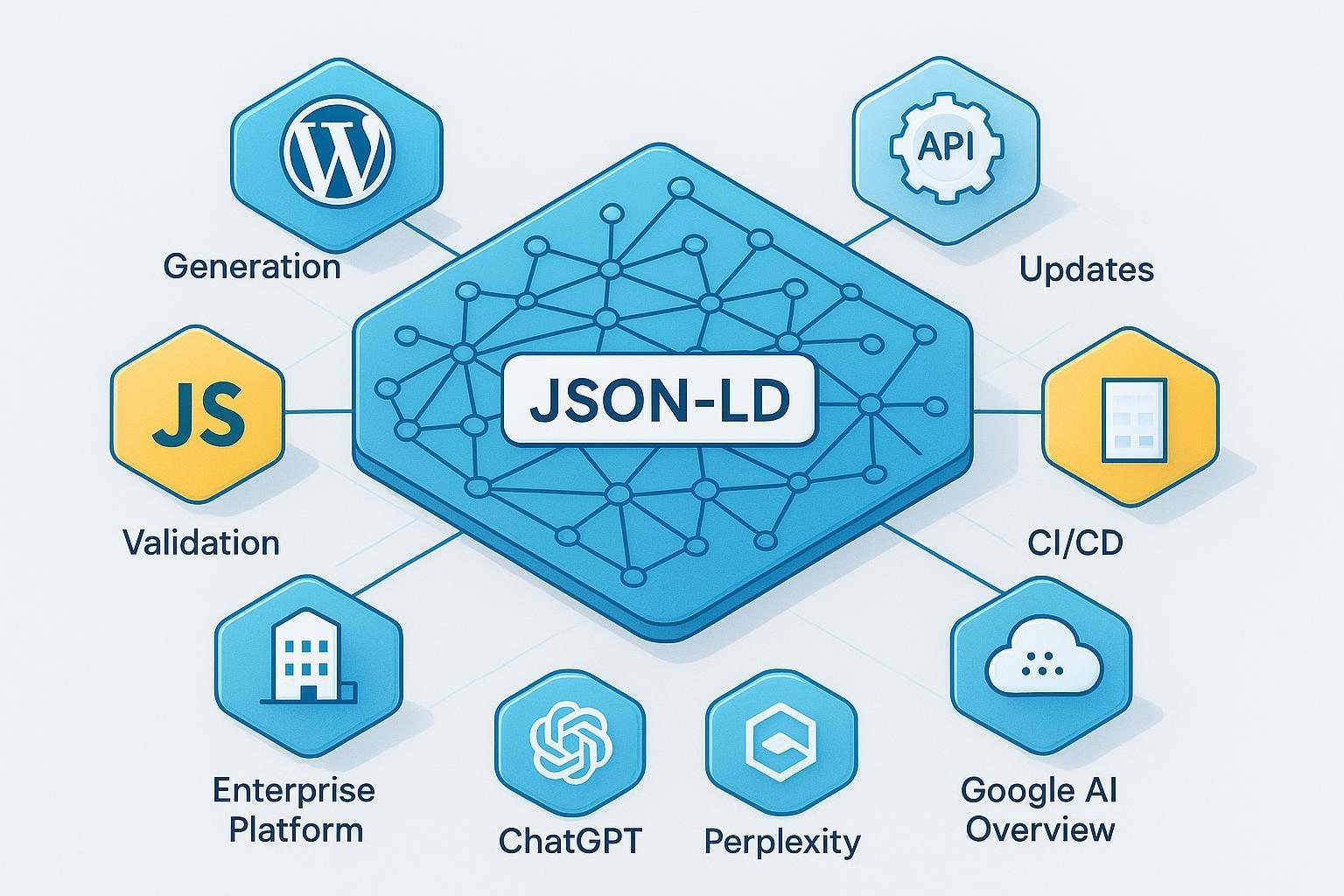
Technical signals matter. Implement Organization/LocalBusiness schema (AutomotiveBusiness) on dealer pages, and Vehicle/Product + Offer schema on vehicle detail pages (VDPs) with VINs, price, availability, and itemCondition. Align facts across feeds and pages so AI engines don’t synthesize contradictions. Google’s vehicle listings program clarifies inventory requirements and preferred feed onboarding (Vehicle Listings onboarding guide).
Consideration
Queries shift to “compare [model] trims,” “lease vs finance calculator,” and “incentives for [ZIP].” Keep incentive pages current and place material disclosures close to any trigger terms. If you name payment details or finance charges, Truth in Lending (Reg Z) advertising rules require clear APR, term, and down payment explanatory text near the claim; lease disclosures (Reg M) follow similar patterns. See the CFPB’s annual thresholds and rule summaries for applicability (CFPB thresholds and rule updates).
On the technical side, keep VDP schema synchronized with your feed and Search Console profiles. That parity improves eligibility for rich displays and helps AI summaries cite your most accurate source (AI features and your website (Google Search Central)).
Evaluation
Buyers ask “dealer reputation [city],” “service package details,” and “trade‑in value process.” Elevate trust signals: transparent service pages, authentic reviews aligned with FTC endorsement rules, and a step‑by‑step trade‑in explainer. Google’s notes highlight traffic redistribution toward forums, videos, and “authentic voices,” so supplement your main site with owner content and clear how‑tos (Google’s AI mode update).
Operationally, tag inbound sessions and leads from AI‑influenced content. Even when a summary reduces click propensity, downstream behavior (pages per session, calculator use) can reveal high intent.
Purchase
Tasks compress into test‑drive scheduling, finance pre‑qualification, and trade‑in finalization. Speed‑to‑lead is decisive: during staffed hours, aim for under five minutes for a human response and instant automated acknowledgement 24/7. Vendor and industry roundups for automotive CRMs align with broader research showing large qualification gains when contact happens within minutes; use these as directional benchmarks while you validate locally (AutoRaptor’s CRM roundup).
Post‑purchase
AI‑era retention leans on maintenance schedules, recall info, and owner communities. Publish clear service intervals and recall guidance, and encourage owner forum and video content that answers real questions. This keeps your brand present in answer engines long after the sale.
KPI framework and instrumentation
Design KPIs that reflect visibility, engagement, and outcomes across AI answers and your owned channels. A simple, automotive‑ready starting point:
| Dimension | KPI | Notes |
|---|---|---|
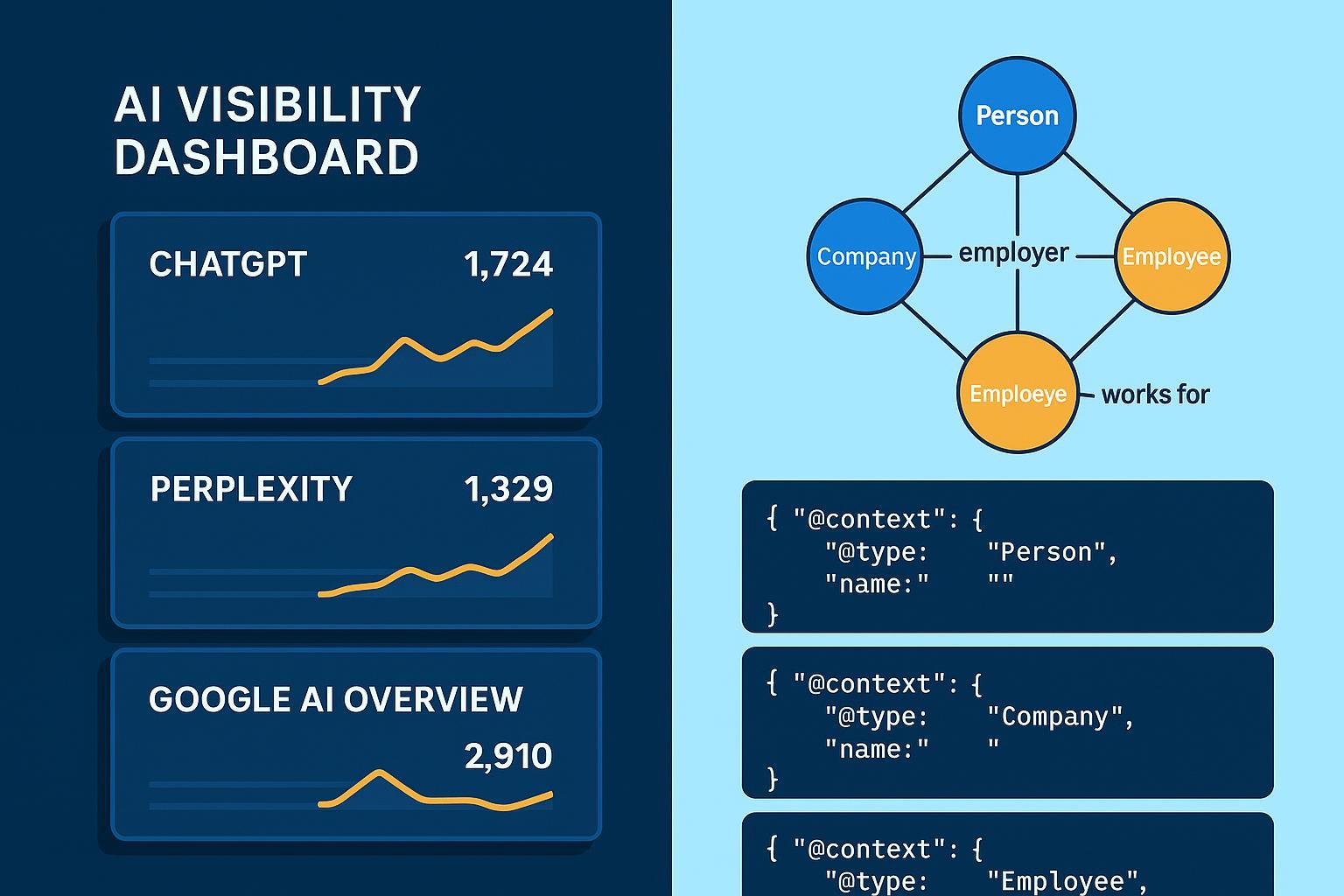
| Visibility | AI Mentions (by engine and query cluster) | Track daily; categorize by journey stage; monitor volatility. |
| Visibility | Share of Voice in AI answers | % of answers citing/recommending you vs competitors. |
| Engagement | CTR from AI answers | Proxy via downstream session referrers and prompt logs. |
| Lead Quality | Qualification rate (AI‑sourced) | Compare to non‑AI leads; capture intent tokens. |
| Conversion | Test‑drive, show, sold | Attribute by engine and query cluster. |
| Reputation | Sentiment of mentions | Classify answer tone; flag compliance risks. |
For deeper background on visibility and sentiment KPIs, see this practitioner framework: AI Search KPI frameworks for visibility, sentiment, conversion.
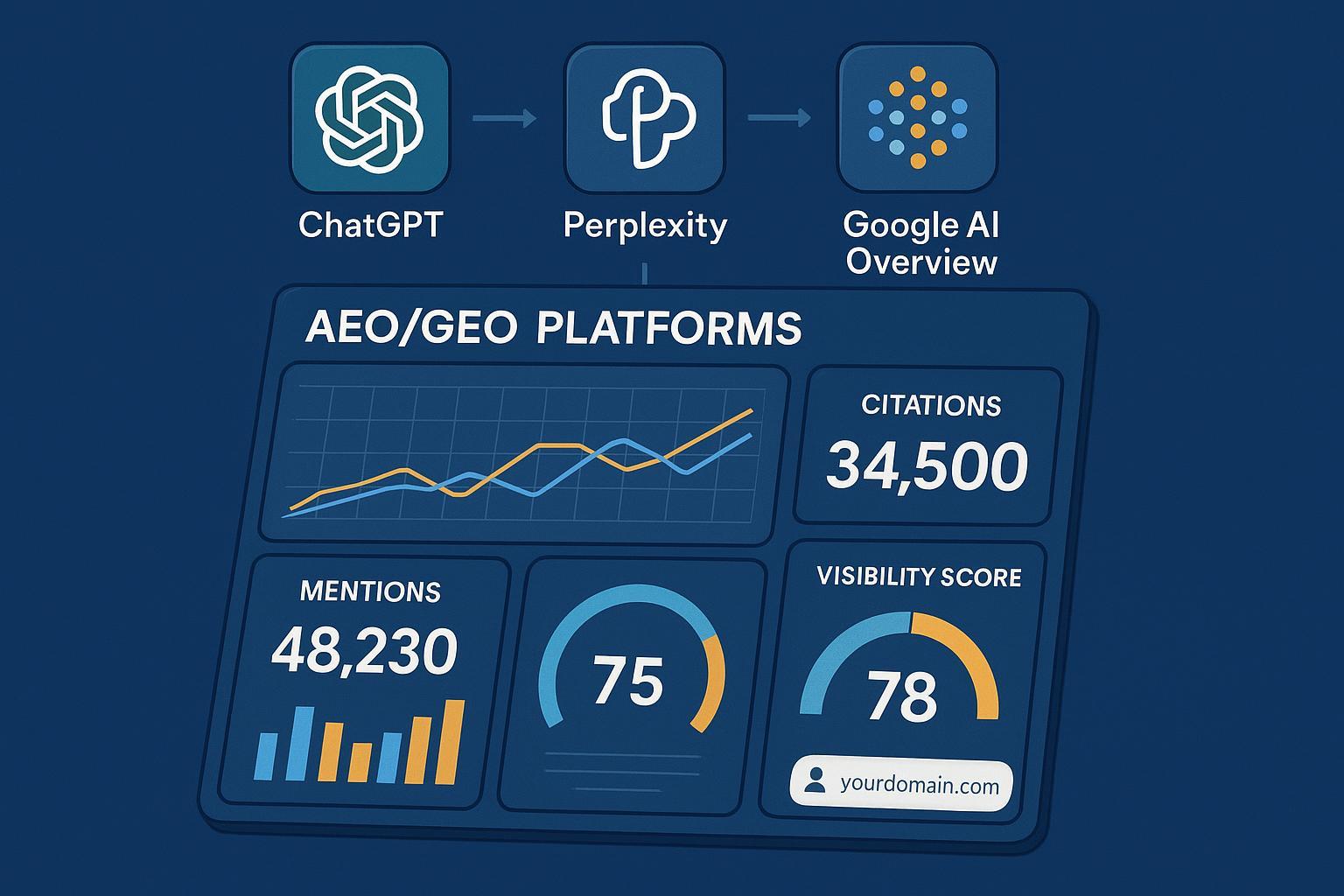
Disclosure: Geneo (Agency) is our product. As a neutral example, agencies can use Geneo to monitor brand mentions and citations across Google AI Overviews, ChatGPT, and Perplexity, and to present Share of Voice trends in client‑ready dashboards. If you prefer not to use a platform, you can start with manual logging: run a fixed prompt set weekly on each engine, record whether your brand appears, capture citation links, and cohort the results by journey stage.
CRM playbook for AI‑sourced leads
Build processes for fast, consistent handoffs from AI‑influenced research to human contact. During staffed hours, target under five minutes for the first human response; ensure 24/7 automated acknowledgement under 60 seconds. Route leads automatically to avoid assignment delays; measure average first response time, percent within SLA, lead‑to‑appointment, and lead‑to‑sale.
| Process | Target SLA | Evidence basis |
|---|---|---|
| First response (staffed hours) | <5 minutes human | Vendor/industry roundups; cross‑industry studies favor minutes over hours. |
| 24/7 acknowledgement | <60 seconds automated | Automotive CRM best practices and AI readiness reports. |
| Follow‑up cadence | 4–6 touches first 48h; taper to day 14 | Align with consent and channel norms; adjust to buyer signals. |
| Manager KPIs | Response time; % within SLA; appointment and sale rates | Measure by source; highlight AI‑influenced cohorts. |
Practical tactics:
- Add a “research intent” field to lead forms (“comparing trims,” “EV vs hybrid,” “incentives by ZIP”) to route to the best agent.
- Pre‑populate first replies with links to your most authoritative explainer or calculator pages—these are often the sources AI answers already cite.
- Tag scripts for AI‑prepared buyers (“You might’ve seen a summary about [model] incentives—here’s the current page with disclosures and calculators.”). Keep claims consistent across channels.
Compliance, misinformation, and correction workflows
The FTC’s guidance on deceptive advertising and endorsements emphasizes clear, conspicuous placement of material terms near claims; avoid bait‑and‑switch or low‑availability hooks (FTC FY2026 CBJ). For financing and leasing ads, Truth in Lending (Reg Z) and Consumer Leasing (Reg M) trigger disclosures when you state specific payment terms; reference the CFPB’s thresholds and summaries for applicability (CFPB thresholds and rule updates).
In the AI context, misinformation risks include outdated incentive pages being summarized or owner forum anecdotes presented as fact. Mitigate by:
- Publishing current, dated incentive and finance pages; archive outdated content to avoid conflicting signals.
- Maintaining an audit trail for updates; note corrections on pages so engines re‑crawl.
- Monitoring AI answers weekly for harmful mis‑summaries; contact site owners or update your own pages to correct.
Implementation roadmap
30 days: Establish your prompt test set across engines, implement core schema (Organization/LocalBusiness + Vehicle/Product + Offer), refresh incentive pages and disclosures, and set speed‑to‑lead SLAs. Begin logging AI citations by journey stage.
60 days: Expand authoritative explainer content (EV vs hybrid, trim comparisons), add trade‑in and service transparency pages, and configure dashboards for visibility and outcomes by query cluster. Integrate CRM tags for AI‑influenced leads and measure appointment conversion.
90 days: Tune attribution (map AI‑influenced sessions to test‑drive and sales), enrich owner forum/video presence, and publish a public methodology note on how you monitor and correct AI summaries. Set a quarterly review cadence recognizing platform volatility.
AI answers compress research and redistribute clicks—especially for question‑led queries. If you map the journey to include AI summaries, publish authoritative pages that engines can safely cite, and instrument visibility with disciplined SLAs and compliance, you’ll reduce friction from research to test drive. What’s your first set of questions to run across AI engines this week?